On the seacoast, a gas furnace replacement typically runs $6,000 to $13,200 installed, and a gas boiler replacement typically runs $8,800 to $23,400 installed. The furnace is cheaper on install day almost every time. But you rarely get to choose between them, because your house already chose: baseboard or radiators mean boiler, ductwork means furnace, and crossing over costs more than either swap. Here are the real ranges, why they differ, and the moments when changing systems actually makes sense.
Why does a boiler swap cost more than a furnace swap?
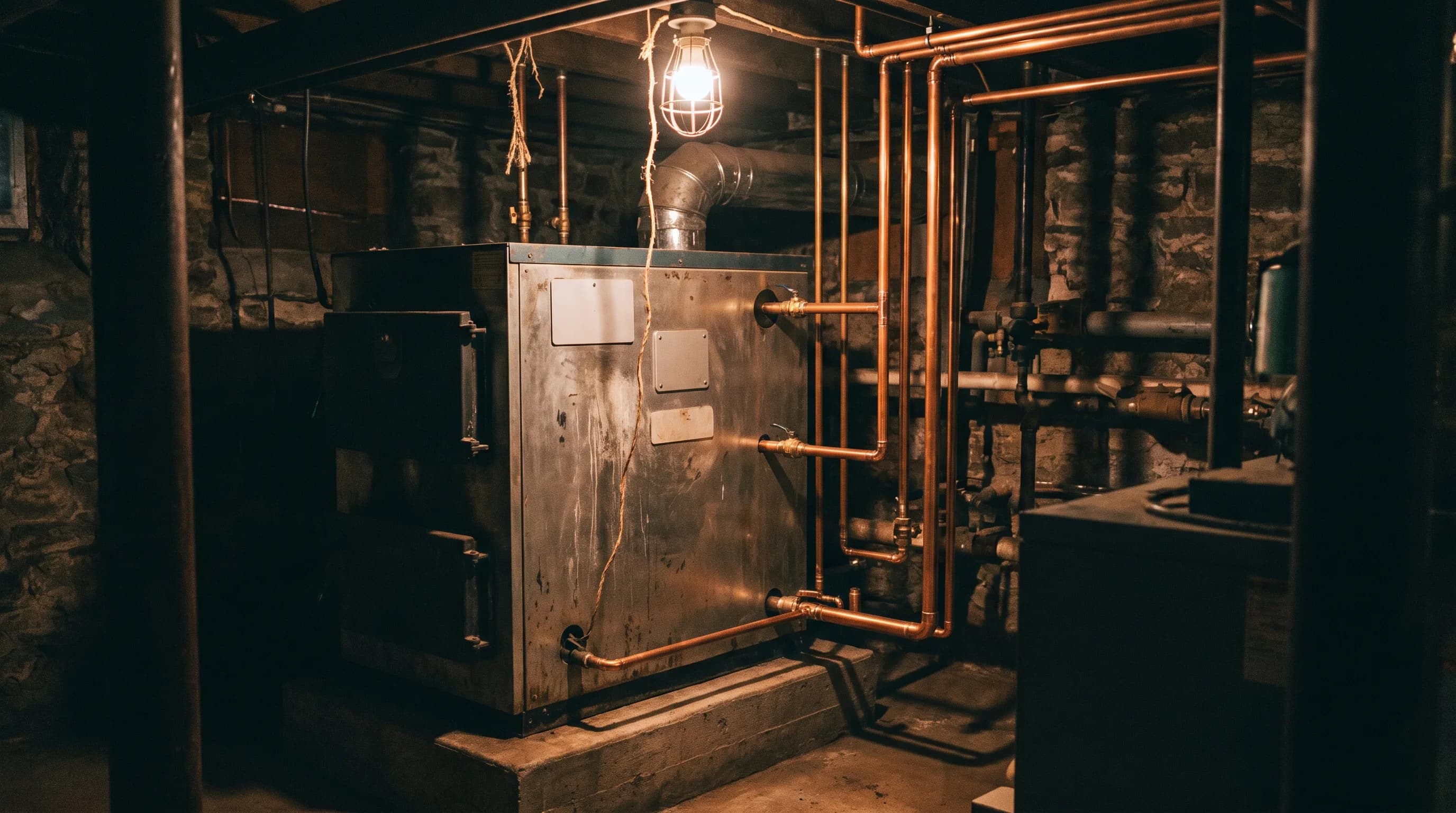
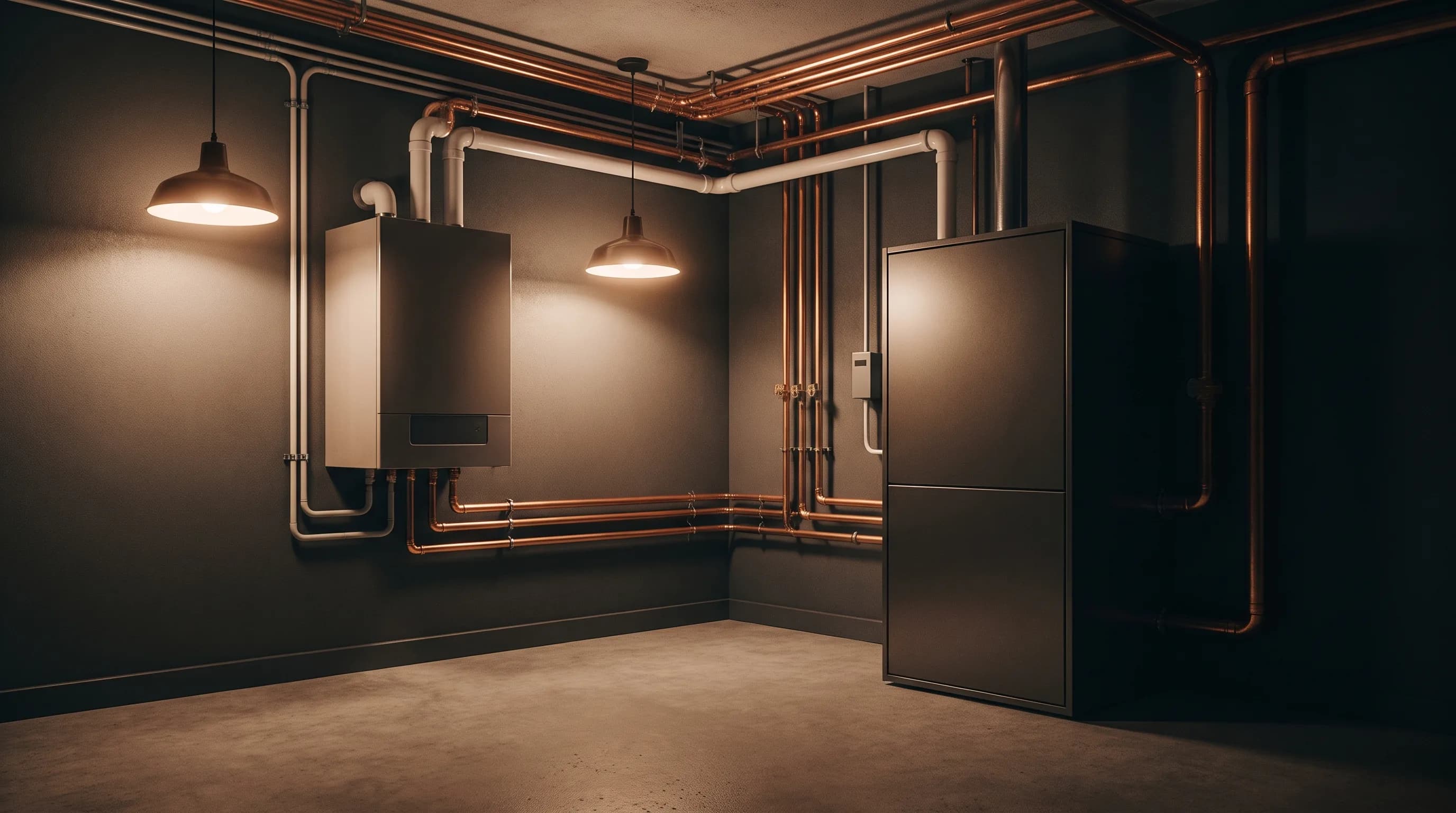
Labor, mostly copper. A furnace bolts into a duct system: set the cabinet, tie in the plenum, vent it, gas and electric, done. A boiler swap is a piping job. Near-boiler piping gets rebuilt, zones get valves or circulators, the expansion tank and air control get sorted, and on oil systems or boilers feeding an indirect water heater there is more still. That is skilled-trade time, and it is also where quality shows: sloppy near-boiler piping is the number one thing we get called to fix behind someone else's install. Our boiler page shows the kind of copper work we sign.
What does a boiler replacement cost in NH?
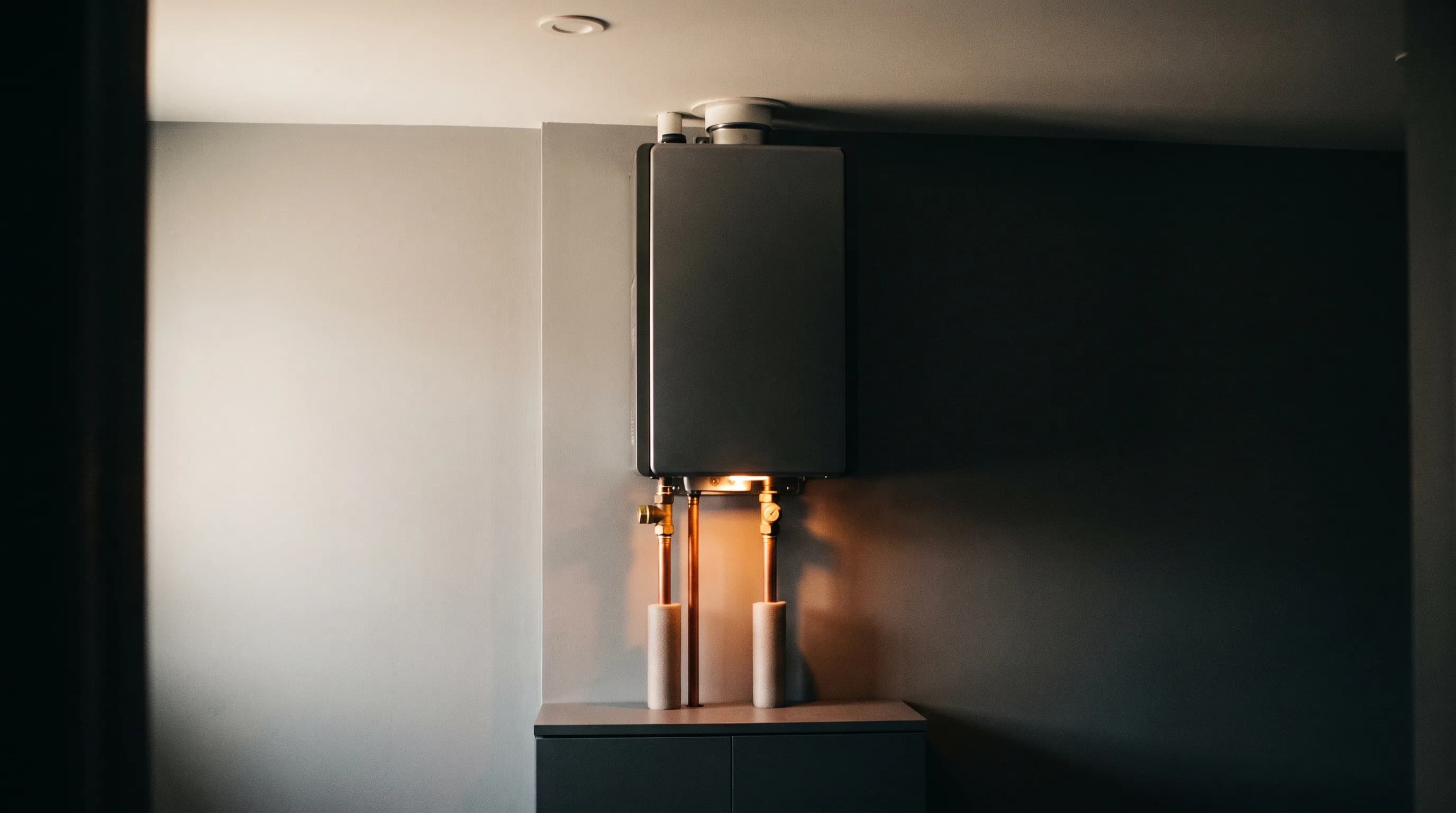
Typical seacoast range: $8,800 to $23,400 installed for a gas boiler swap, confirmed at your site visit. Straightforward like-for-like swaps land mid-band. High-efficiency condensing boilers trend toward the top and earn some of it back on the gas bill every month. Oil boilers and boiler-plus-indirect-water-heater combos trend toward the upper half because there is simply more system to build. For what it is worth, the big flat-rate shops in this region routinely quote the same swaps thousands higher, which is a big part of why we publish ranges at all.
What does a furnace replacement cost in NH?
Typical seacoast range: $6,000 to $13,200 installed for a gas furnace, confirmed at your site visit. The spread is driven by efficiency tier, venting changes, and the condition of the duct connections. A healthy duct system keeps a furnace swap the quickest big-ticket job in the trade, often a single day.
Should you ever switch from one system type to the other?
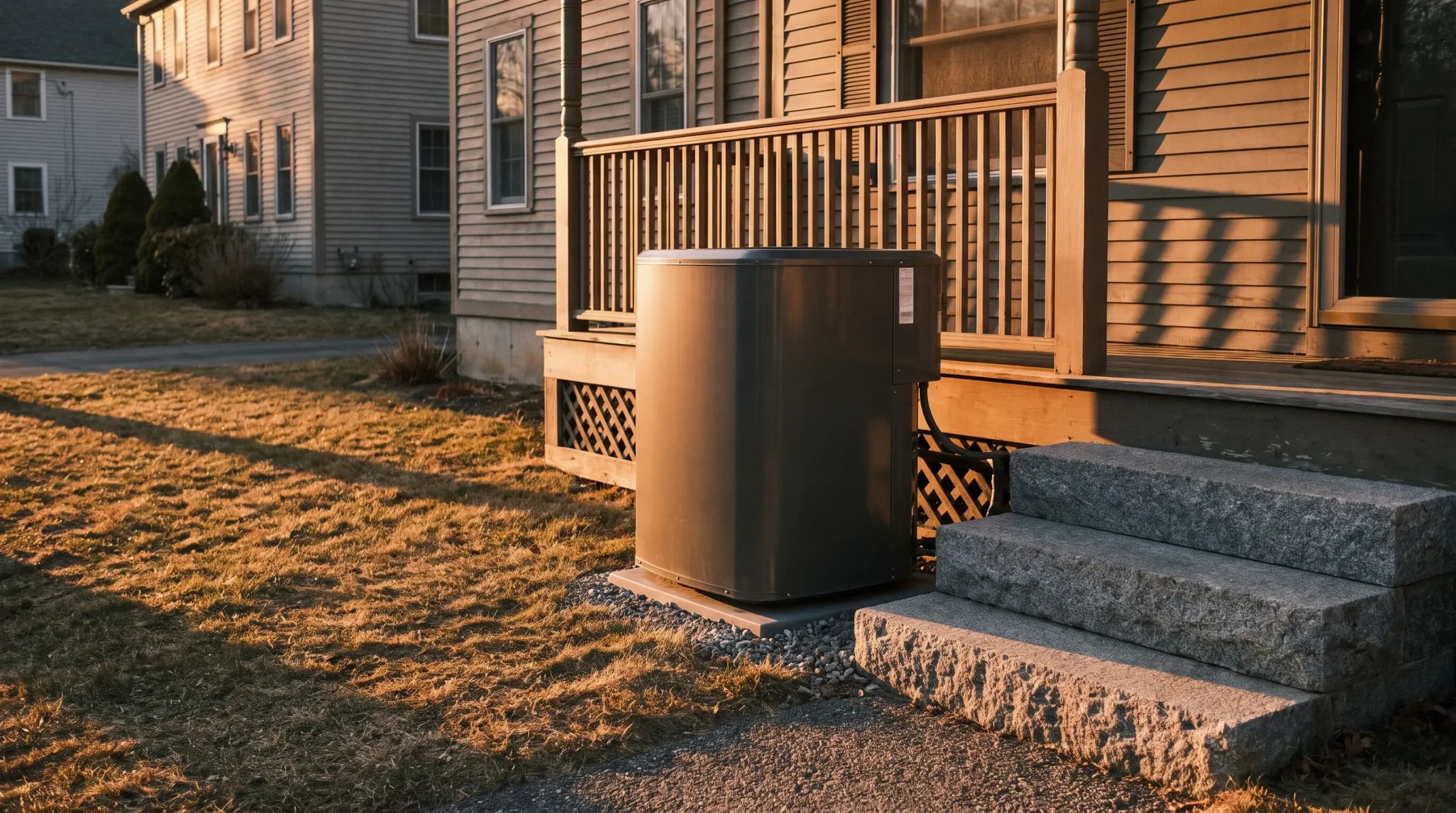
Almost never directly. Converting a baseboard house to ducted forced hot air means building a duct system inside finished walls, and the cost buries any equipment savings. The crossover that actually makes sense in 2026 is different: a ducted house replacing its furnace should at least price a ducted heat pump with the furnace kept as backup, the dual fuel setup, and a baseboard house tired of oil should price mini splits with the boiler kept as backup. Those paths open rebate money that a straight fossil-for-fossil swap does not.
How do rebates change the math?
Bluntly: a straight boiler-for-boiler or furnace-for-furnace swap earns close to nothing in 2026. The federal 25C tax credit, which used to return a few hundred dollars on qualifying high-efficiency fossil equipment, died for anything placed in service after December 31, 2025. The rebate money that still exists is aimed at heat pumps: NHSaves at $250 per ton, income-qualified NH HEAR up to $8,000, Mass Save up to $8,500 for Massachusetts readers, verified July 2026. The full breakdown is in our 2026 rebate guide. None of that means the boiler swap is wrong. A 20 year old boiler with a cracked section needs replacing regardless, and we say so plainly in When Should You Replace Your Boiler?. It means a complete quote shows you both paths priced side by side, which is exactly what our estimate engine does.