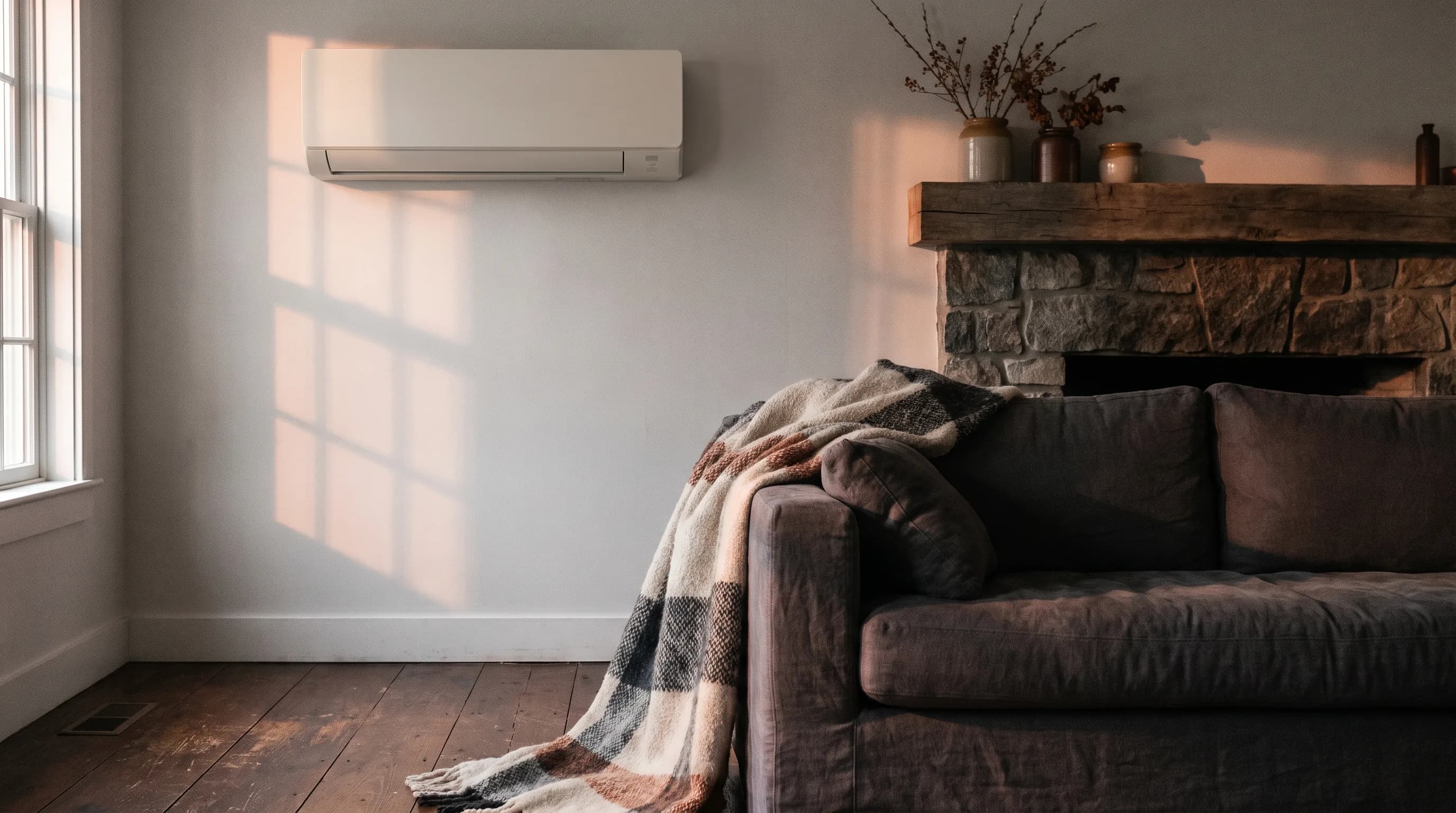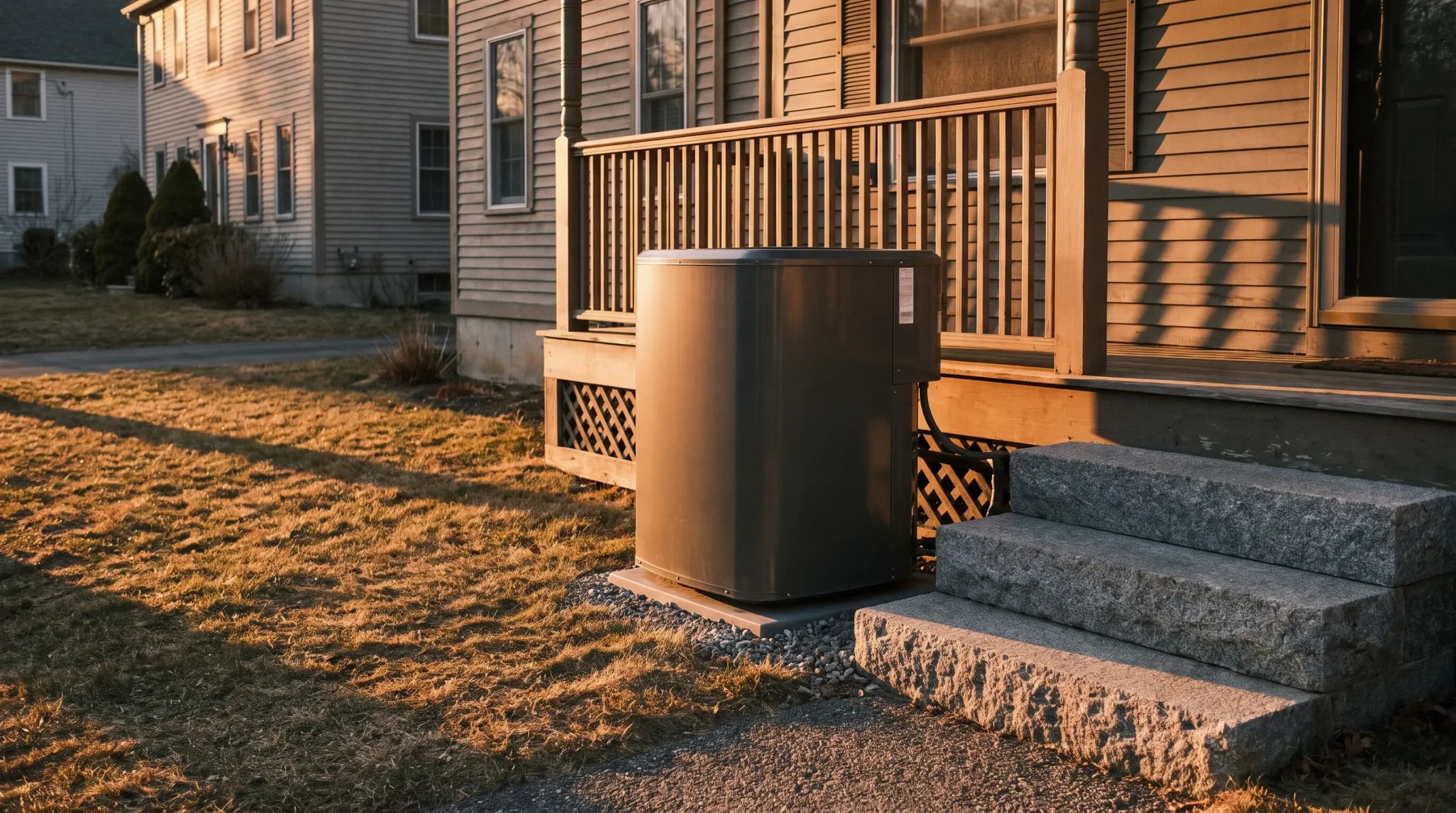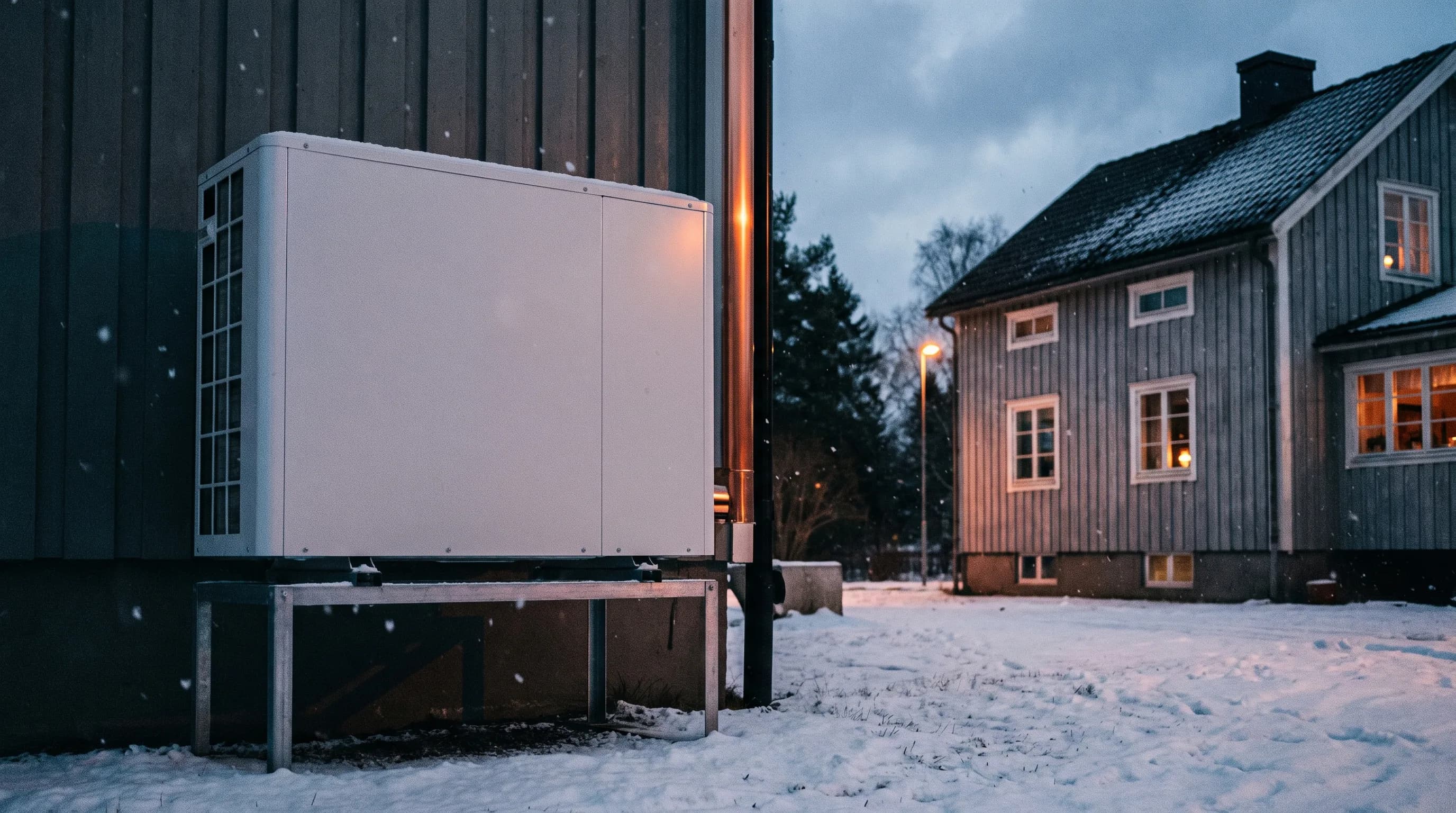
Yes. Cold-climate heat pumps heat New Hampshire homes all winter, including the nights the seacoast drops below zero. Mitsubishi H2i hyper-heat systems are rated to keep heating at 13 below zero, and the smart seacoast setup keeps your existing boiler as backup for the worst stretch of January. The doubt you have heard is about the old generation of equipment, and about installs done wrong. This is how the current equipment performs, from a crew that installs it and lives here.
Why do people still say heat pumps fail in the Northeast?
Because for decades it was true. The heat pumps that earned that reputation were built for Virginia winters. Below freezing their output collapsed, backup resistance strips kicked in, and the electric bill told the story. That generation is gone. Cold-climate units redesigned the compressor and refrigerant management specifically for places like New Hampshire, and the state you can see it in is Maine, the coldest state in the region and one of the heaviest heat pump adopters in the country.
The doubt survives because the internet never forgets, and because some installers still put warm-climate equipment into cold-climate houses to win a bid. The equipment matters. The sizing matters more, and we cover that in What Size Mini Split Do I Need for a New Hampshire Home?.
What happens to a cold-climate heat pump when the temperature drops?
It keeps heating, with less spare capacity than it has at 30 degrees. Every heat pump makes less heat as the outdoor temperature falls. The difference is where the curve lands: a cold-climate Mitsubishi H2i is rated to keep heating at 13 below zero, which covers almost every hour of a seacoast winter. Sizing done from your home's actual heat loss, not a national chart, is what guarantees the output curve stays above your house's demand curve on the design day.
Two practical winter behaviors are worth knowing up front. First, the outdoor unit will frost up and run defrost cycles. That is normal, and we wrote a separate guide on what is normal frost and what is a problem. Second, the heat coming off a register feels warmer than the room but cooler than a boiler's baseboard blast. It runs longer and steadier instead of hot and short. Homes hold a more even temperature that way, but the first week feels different, and nobody should sell you one without saying so.
Should you keep your boiler as backup?
In most seacoast houses, yes. Most of our installs keep the existing boiler as backup, because that is what we would do in our own houses. The heat pump carries the house through the overwhelming majority of the season at heat pump operating cost, and the boiler sits behind it for the deepest cold snaps and as insurance. That is the dual fuel setup, and it also changes the rebate math: keeping a fossil system as backup is exactly what programs like Mass Save classify as a partial-home installation, with its own rebate tier.
Full conversions, where the heat pump becomes the only heat source, are real and we do them. They earn the biggest rebates and they demand the most careful sizing. If someone quotes you a whole-home conversion without measuring anything, that is your cue to get another quote.
Does salt air on the seacoast change anything?
It changes placement and maintenance, not the answer. Coastal installs earn a few disciplines: set the outdoor unit where wind-driven snow and salt spray do not hit the coil head on, raise it on a stand above the snow line, and rinse the coil as part of seasonal maintenance. Manufacturers publish coastal guidance and the equipment is used a few hundred feet from the Atlantic all over New England. An installer who works Portsmouth, Rye, and Hampton should be making these calls by habit. Our New Hampshire service area page covers where we work.
What does it cost, and what help is real in 2026?
Typical seacoast range, confirmed at your site visit: a single-zone mini split runs $4,400 to $11,400 installed, multi-zone systems run $12,000 to $24,000, and whole-home conversions run $17,600 to $44,400 before rebates. Budget brands land low. Mitsubishi hyper-heat installed by a Diamond Contractor lands in the upper half and earns it on the coldest mornings.
On rebates, one thing has to be said plainly because half the contractor websites in New England have not updated: the federal 25C tax credit is dead for anything placed in service after December 31, 2025. What is still real, verified July 2026: NHSaves pays $250 per ton up to about $1,250 on qualifying systems, income-qualified NH HEAR rebates reach up to $8,000, Massachusetts homes can reach up to $8,500 through Mass Save, and Maine tiers up to $9,000. The full program-by-program breakdown is in Did the Heat Pump Tax Credit Expire? What's Actually Left in NH. Or skip the reading and get your own number in 90 seconds, rebates shown off the top.